Public Developments
Explore our latest open-access initiatives and system architectures.
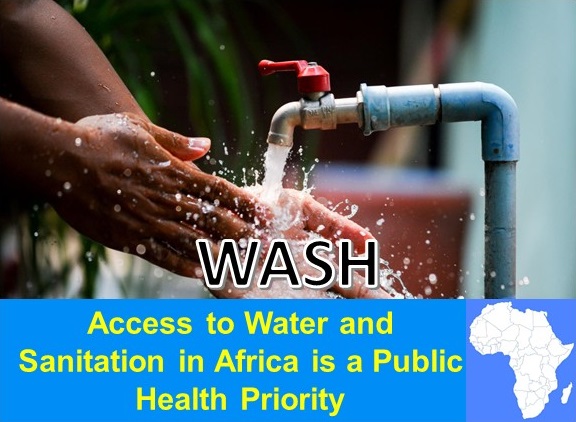
Clean Water Access
The Clean Water Access Project seeks to provide safe, affordable, and sustainable access to clean drinking water through boreholes, rainwater harvesting systems, water purification technologies, and hygiene education programs.
Roadmap
Community Needs Assessment Water Source Identification Infrastructure Development Hygiene Training Maintenance & Monitoring
Requirements
Engineers Borehole equipment Water tanks Purification systems Community volunteers
Contribute
Construction materials Funding Technical expertise Water testing Community labor

Climate-Smart Farming
The Climate-Smart Farming Initiative seeks to improve food security and household incomes by promoting sustainable agricultural practices that are resilient to climate change. The project equips farmers with modern farming techniques, water conservation technologies, improved seed varieties, organic farming methods, and digital agricultural advisory services. As climate variability continues to affect crop yields, this initiative empowers communities to adapt through innovation while protecting natural resources for future generations.
Roadmap
Phase 1: Community Assessment Identify farming communities. Conduct soil and climate assessments. Register beneficiaries. Phase 2: Capacity Building Farmer training workshops. Demonstration farms. Climate awareness campaigns. Phase 3: Resource Distribution Improved seeds. Farm tools. Irrigation support. Organic fertilizers. Phase 4: Implementation Field monitoring. Farmer mentorship. Digital advisory support. Phase 5: Evaluation & Expansion Measure crop yields. Income assessment. Expand successful practices.
Requirements
Agricultural experts. Training materials. Demonstration land. Irrigation equipment. Seed funding. Volunteers. Community participation.
Contribute
Individuals and organizations may contribute by: Donating farming tools. Providing improved seeds. Sponsoring farmer trainings. Offering agricultural expertise. Supporting irrigation projects. Funding demonstration farms.
Outcomes
Increased crop yields. Improved food security. Higher farmer incomes. Sustainable farming practices. Youth engagement in agriculture. Climate resilience.
Contributors
Farmers Agricultural Extension Officers Local Government NGOs Universities Development Partners Volunteers Community Leaders
Challenges
Climate unpredictability Limited funding Pest outbreaks Low technology adoption Water shortages
Sustainability
Farmer cooperatives Community seed banks Continuous training Agricultural savings groups Local market linkages
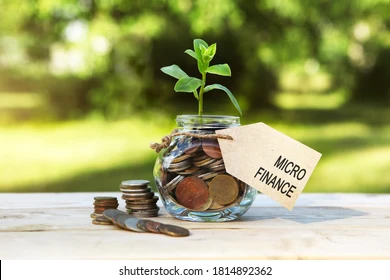
Table Banking & Micro-Loans
The Table Banking & Micro-Loans Initiative promotes financial inclusion by enabling members to save collectively and access affordable loans to start or expand businesses. The project encourages entrepreneurship, financial literacy, and community-based wealth creation while reducing dependence on expensive informal lenders.
Roadmap
Phase 1 Member registration Group formation Financial literacy training Phase 2 Savings mobilization Loan policy development Account management Phase 3 Loan disbursement Business mentorship Monitoring Phase 4 Business expansion Impact evaluation Growth financing
Requirements
Financial trainers Revolving fund Banking partners Digital record system Loan committee
Contribute
Capital donations Revolving loan fund Business mentorship Financial literacy programs ICT support
Outcomes
Increased household savings Successful micro-businesses Financial independence Reduced poverty Community economic growth
Contributors
Members Banks SACCOs NGOs Government agencies Business mentors
Challenges
Loan defaults Poor financial literacy Inflation Limited capital Market competition
Sustainability
Loan repayments Member savings Business profits Investment partnerships